Pipe Extrusion Guide
Why is masterbatch added to PPR pipes?
PPR water pipes available on the market come in a wide variety of colors; in addition to the most common white and green options, they are available in gray, blue, orange, and others. Both buyers and sellers can customize the color of the pipes to suit their specific needs. The primary reason for th
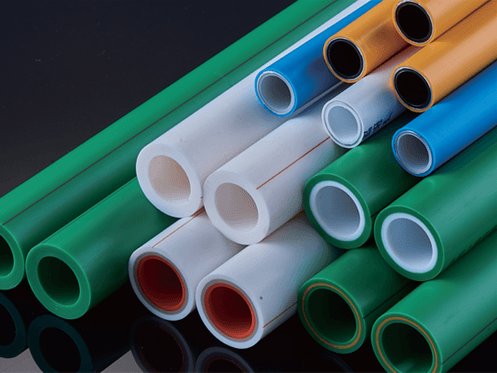
PPR water pipes available on the market come in a wide variety of colors; in addition to the most common white and green options, they are available in gray, blue, orange, and others. Both buyers and sellers can customize the color of the pipes to suit their specific needs. The primary reason for this extensive color variety is the addition of different-colored “color masterbatches” during the pipe manufacturing process. So, what exactly is a color masterbatch, and what function does it serve?
* What are masterbatches?
A masterbatch is a highly concentrated pigment or coloring agent, typically in granular or powder form, comprising three main components: a carrier, a coloring agent, and additives.
The carrier is a vital component of the masterbatch; its primary function is to support the coloring agent and facilitate its dispersion and integration—via melting—into the plastic material requiring coloration. The coloring agent constitutes the most critical ingredient within the masterbatch, as it is responsible for imparting specific colors to the material. Additives are present in smaller quantities and generally serve to aid in the dispersion of the coloring agent or to impart specific functional properties, such as antioxidant capabilities or light stability.
* Why add masterbatch?
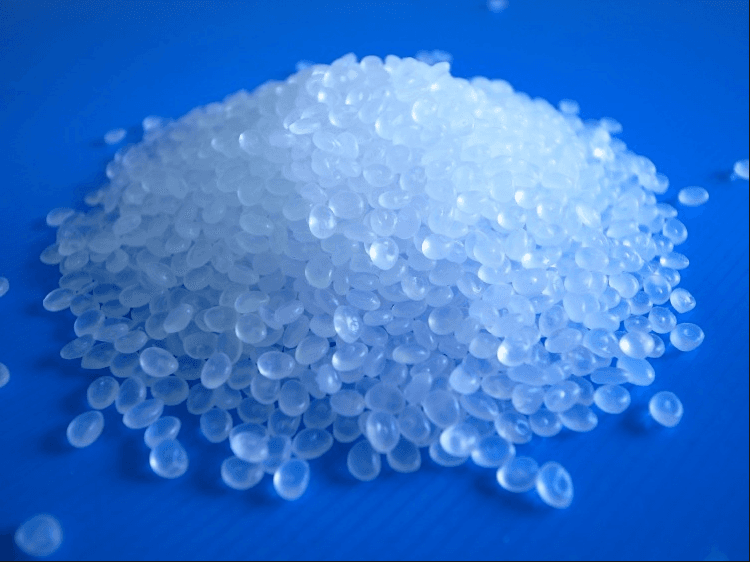
Pure PPR raw material is actually colorless and transparent, completely devoid of any pigment. When manufactured into water pipes, this transparency—due to the lack of light-blocking properties—makes it easier for algae and bacteria to proliferate inside the pipes. This not only contaminates the water quality but also accelerates the aging of the pipes, thereby reducing the overall service life of the PPR piping system.
Consequently, in accordance with national standards, color masterbatches must be added during the manufacturing process of PPR pipes to ensure the pipes possess effective light-blocking capabilities.
Tip: Many people may assume that white water pipes contain no added colorants; however, white water pipes are, in fact, produced with the addition of a white color masterbatch.
* What are the advantages of masterbatches ?
(1) To ensure superior pigment dispersion within the finished product, the pigments must undergo a refining process during masterbatch manufacturing to enhance their dispersibility and tinting strength. In specialized masterbatches, the carrier material is identical to the type of plastic used in the final product; this excellent compatibility ensures that, upon heating and melting, the pigment particles disperse thoroughly throughout the plastic matrix.
(2) It helps preserve the chemical stability of the pigments. If raw pigments are used directly, they are susceptible to moisture absorption, oxidation, and other degradation processes resulting from direct exposure to air during storage and handling. By incorporating them into a masterbatch, the resin carrier effectively isolates the pigments from air and moisture, thereby safeguarding their quality over the long term.
(3) It guarantees the color consistency of the final product. Since masterbatch granules resemble resin pellets in form, they allow for easier and more precise metering. Furthermore, they do not adhere to mixing vessels and blend more uniformly with the resin, thereby ensuring consistent additive levels and, consequently, stable product coloration.
(4) It protects the health of operators. Pigments are typically in powder form and are prone to becoming airborne during addition and mixing processes; if inhaled, these airborne particles can pose a risk to the operators’ health.
(5) It helps maintain a clean working environment.
(6) It offers ease of use.
* Are masterbatches safe and eco-friendly?
Safe and eco-friendly color masterbatches for PPR pipes are typically manufactured using food-grade or medical-grade pigments and carrier materials. These pigments must comply with health and safety standards and be free of toxic substances; therefore, selecting reliable manufacturers and suppliers is essential to ensure that the masterbatches used are both safe and compliant.
Furthermore, during the production of PPR pipes, the color masterbatch should be incorporated into the polypropylene under appropriate conditions to ensure uniform color distribution and prevent the release of harmful substances. Quality control throughout the production process is also critical to guaranteeing product safety.
Evidently, color masterbatches play a significant role in PPR pipe manufacturing; they not only serve to distinguish different pipe types by color but also enhance the pipes’ light-blocking properties—thereby inhibiting bacterial growth—making them an indispensable raw material in pipe production.
Related Images